Why Do High School Students Do Research and Why Do Faculty Accept Them
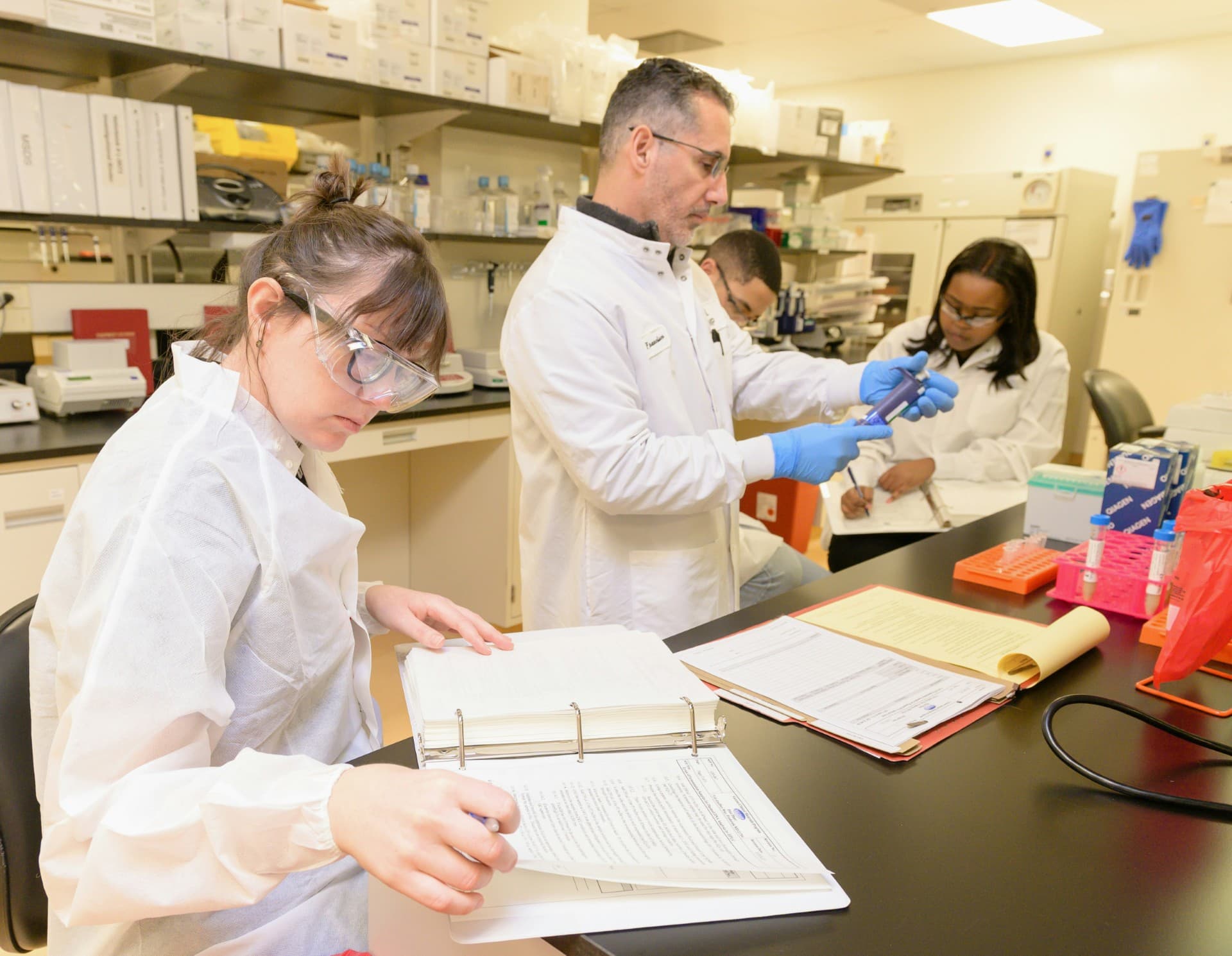
Image credit: https://unsplash.com/photos/a-group-of-people-in-lab-coats-working-in-a-lab-U0zO9rI47WA
When most people think of research, they often imagine graduate students or professional scientists working in laboratories, not high school students. It may even seem that extensive experience or a long academic background is required to conduct meaningful research.
So, why do high school students choose to engage in research?
And why do faculty members, already managing demanding workloads, agree to mentor them in their labs?
For students, research provides opportunities for academic growth, skill development, and exposure to real-world scientific practices.
At the same time, faculty members often see these students as the next generation of thinkers and contributors to their field. Understanding the motivations of both students and faculty reveals why research has become such a vital part of the high school learning experience.
Why Do High School Students Join Research Labs?
Research requires time, patience, and persistence, and the outcomes are not always guaranteed. However, many students are drawn to research for several reasons.
- Some enjoy exploring topics that spark their curiosity or want to experience the process of discovery.
- Others begin through small school projects or collaborations with teachers and develop a deeper interest.
- Many appreciate becoming well-versed in a particular topic, reading complex materials, and engaging in meaningful discussions.
Another major motivation is the development of critical thinking and reasoning skills. Universities increasingly value these abilities when reviewing applications. Research teaches students to ask questions, analyze information, and interpret results logically, all essential skills in today's information-driven world.
Research also fosters teamwork, attention to detail, and strong communication skills, both written and verbal. These attributes contribute to academic success and professional readiness, which is why universities often view research experience as a sign of intellectual maturity and discipline.
In earlier years, colleges relied heavily on essays and interviews to assess clarity of thought and communication. Now, published research or completed projects demonstrate these qualities more effectively, showing that a student can think independently and express ideas coherently.
Why Do Faculty Accept High School Students?
High school students accept lab positions because they think they will improve their chances of getting into a great school, are curious about research or their area of interest, or are drawn to science.
But why do faculty accept high school students?
After all, university faculty are extraordinarily busy with a tremendous amount of pressure to win research grant funding, teach classes, serve their field with reviews and committees, and publish. They often receive dozens or even hundreds of requests for lab work from undergraduates, graduate students, and post-docs. Why add to this workload?
It's generally not because university faculty expect high school students to provide exceptional research skills to the lab. Success in school or at the science fair does not make it more likely that a high school student will bring to the lab what the faculty member needs; they usually have graduate students in the lab who already have years of experience with the subject and methods.
Rather, mentoring young researchers allows faculty to share their enthusiasm for discovery and contribute to the educational development of future scientists.
By involving high school students, professors extend their role as educators beyond the classroom, emphasizing the importance of curiosity, perseverance, and ethical research practices.
Conclusion
For high school students, research offers more than just a boost to a college application; it's a chance to think critically, explore interests, and grow valuable skills. For faculty, mentoring young researchers is rarely about the immediate benefit to their lab but instead about shaping future scholars and passing on the spirit of scientific inquiry. Together, these collaborations can spark curiosity, foster mentorship, and even lead to discoveries that go far beyond the classroom.
At the heart of it, research is about curiosity meeting guidance. When eager students bring fresh ideas and mentors provide wisdom, both sides gain something. Students walk away with confidence and a clearer sense of direction, while faculty find renewed inspiration in seeing their field through young and curious eyes.
High school research is less about publishing groundbreaking results and more about building a foundation for future learning. It's where students learn the patience of trial and error, the excitement of discovery, and the importance of asking good questions. These early experiences remind us that research isn't just for experts with gray hair in white coats. It's for anyone willing to explore, learn, and grow.
Students exploring mentored research options can start with IRI research programs, including shorter pathways like Find Your Passion and Introduction to Research.
Want to learn more about how high school students work with faculty on real research?
Schedule a free consultation with a Professor from Duke University to explore how these collaborations begin and what students can gain from guided research experiences.
Book a Consultation